Türkçe
How Should Digital Signage Content Be Prepared? A Guide to Effective Digital Screen Design
23.06.2026The Foundation of Digital Signage Success Is the Right Content Strategy
Many businesses focus on screen quality, hardware specifications, and software infrastructure when investing in digital signage. However, the most important factor that sets a successful digital signage project apart is the careful planning of the content displayed on screen. An impressive digital screen does more than deliver high-resolution visuals; it creates real value through content that captures the target audience’s attention, communicates the message quickly, and encourages users to take action.
Professionally prepared digital signage content increases brand awareness, improves the customer experience, and creates a powerful communication channel that supports sales processes. For this reason, content design is just as strategically important as display technology.
Know Your Target Audience When Preparing Digital Signage Content
The first step in successful content planning is to accurately analyze the target audience’s expectations. A digital signage screen used in a shopping mall should not follow the same content approach as an information screen in a manufacturing facility.
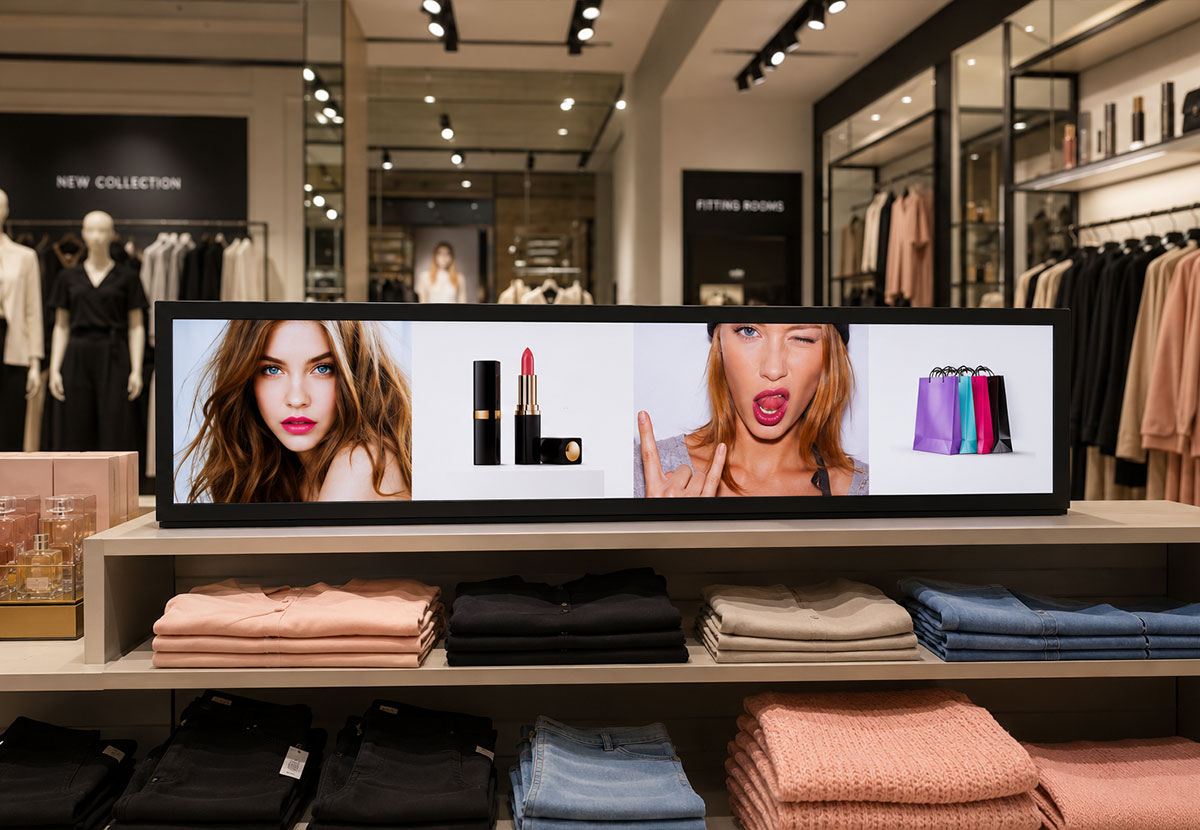
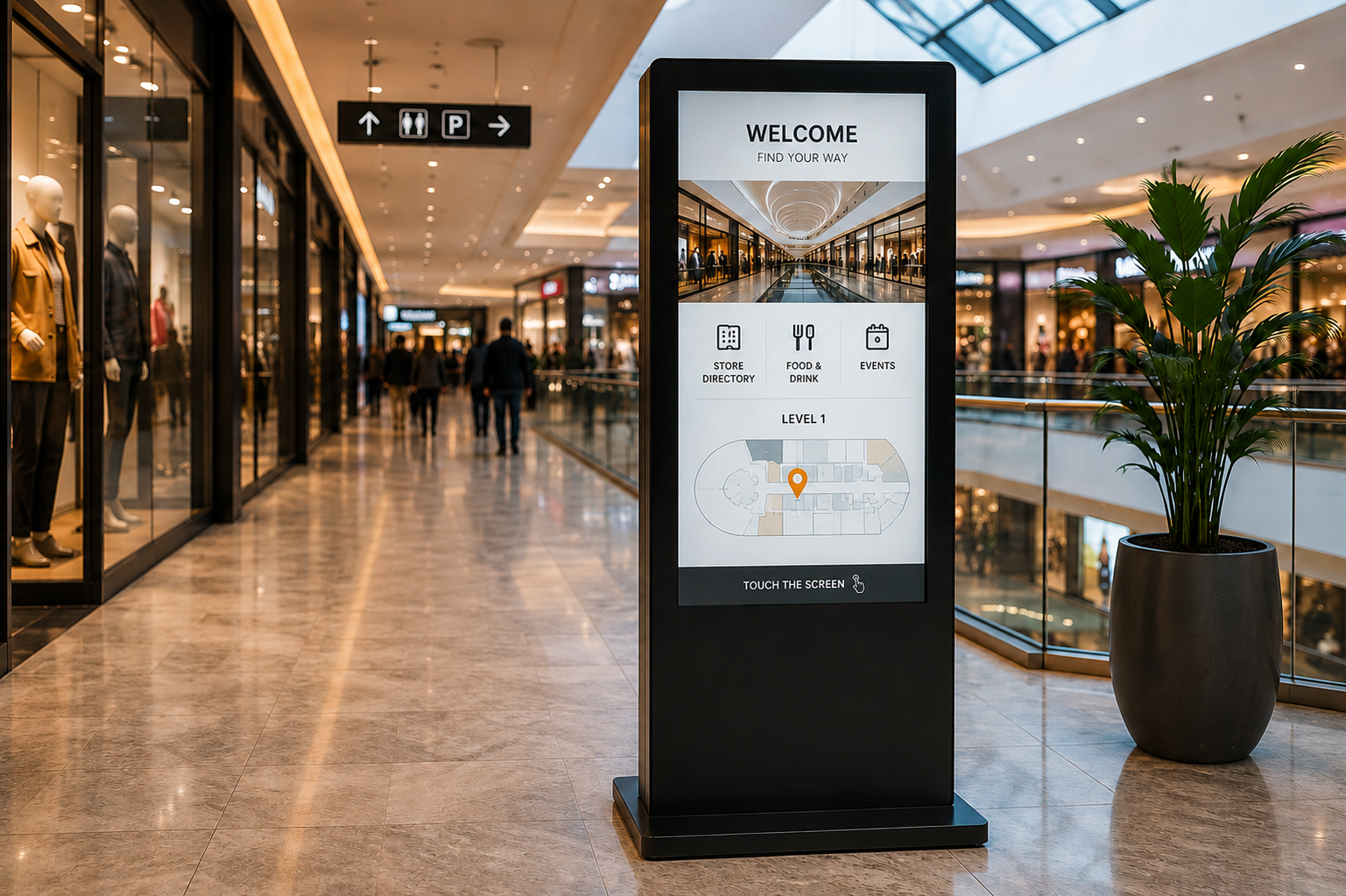
While promotions and new products take center stage in retail, announcements, performance data, and internal communications content are more important in corporate offices. In healthcare facilities, wayfinding and information take priority, while class schedules and event announcements deliver more effective results in educational institutions.
A content strategy should be developed by considering the environment in which the content will be displayed, the target audience, and the intended purpose together.
Simplicity Is Always More Effective in Digital Screen Design
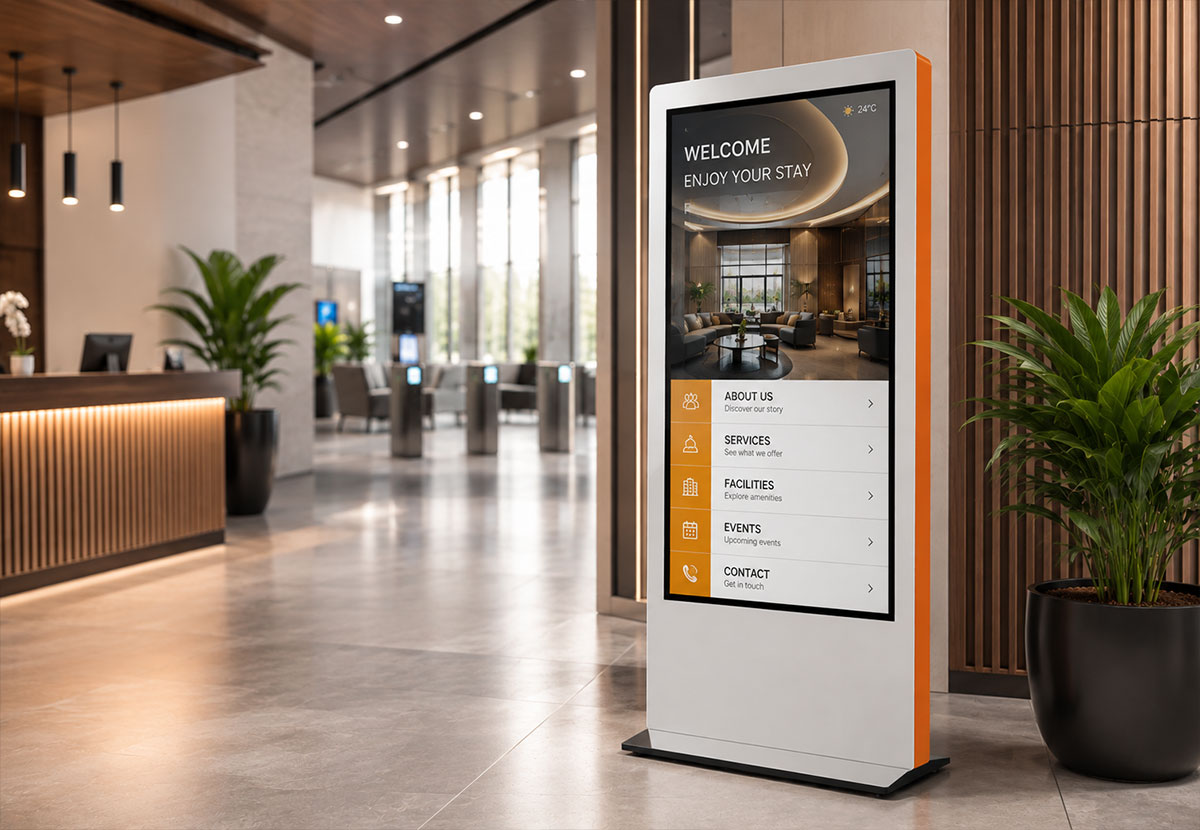
One of the most common mistakes with digital signage screens is trying to present too much information at once. Cluttered designs make it harder for users to understand the message and reduce the screen’s impact.
Successful digital screen design requires readable typefaces, colors that provide strong contrast, and a properly established visual hierarchy. Headlines should capture attention at first glance, while supporting text should be short and clear.
Particularly in areas with heavy foot traffic, visitors may look at the screen for only a few seconds. It is therefore essential to communicate the message as quickly as possible.
Create Attention-Grabbing Displays with Motion Content
Video, animation, and transition effects are among the greatest advantages of digital signage systems. However, motion content needs to be used thoughtfully.
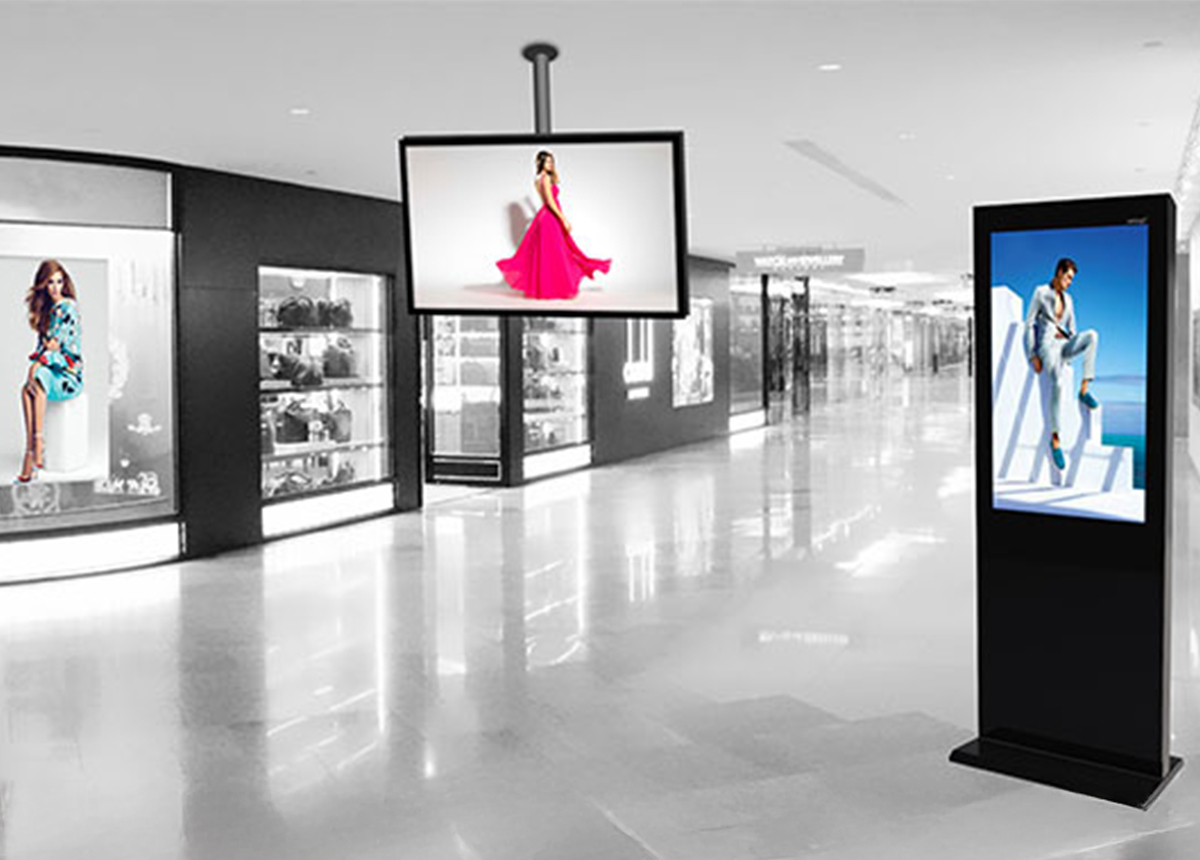
Rather than constantly changing, fast-paced animations, smooth transitions that support the message should be preferred. When product presentations, promotional videos, and brand stories are supported by professional motion graphics, the screens’ ability to engage viewers increases significantly.
Properly planned video content keeps visitors focused on the screen for longer while also helping to strengthen brand perception.
Color, Typography, and Visual Hierarchy Should Be Planned Together
In professional digital signage design, color selection is not merely an aesthetic choice. Color palettes that support the brand identity should be used, and readability should always remain a priority.
Content can be made easier to read by using dark text on a light background or light colors that provide strong contrast against a dark background. Similarly, instead of using too many typefaces, a consistent design language should be established with one or two font families that reflect the corporate identity.
Establishing the right balance between the headline, visual, and call-to-action text helps users understand the message more quickly.
Encourage Users to Act with Effective Calls to Action
Every piece of digital signage content should have a specific purpose. The goal should be for users not only to watch the screen but also to take a particular action.
Clear calls to action such as "Discover the new collection," "Scan the QR code," "View the promotion," "Get more information," or "Contact us" can increase the screens’ conversion rate.
Call-to-action text should be short, clear, and attention-grabbing, and it should be positioned as a natural part of the screen design.
Keeping Content Up to Date Improves Digital Signage Performance
A successful digital signage system is sustained not only by quality hardware but also by regularly updated content. Expired promotions, old prices, or outdated announcements can negatively affect trust in the brand.
Centralized content management systems allow screens in different locations to be managed from a single dashboard, with content scheduled for automatic display on specific dates and at specific times. This ensures that the right content reaches the target audience at the right time across all screens.
Professional Content Design Increases the Value of a Digital Signage Investment
Getting the most out of digital signage solutions requires more than advanced display technologies alone. When content strategy, visual design, user experience, and regular content management are planned together, digital screens become a much more powerful communication tool.
Professional digital signage content prepared in line with a business’s objectives increases brand visibility, strengthens customer engagement, supports corporate communications, and helps the technology investment deliver long-term value.