Türkçe
The Right Choice in Kiosk Investments: A Flawless Hardware and Software Guide for Your Business
18.08.2026A Comprehensive Selection Guide for Effective Kiosk Investment
In today's rapidly digitalizing business world, businesses' efforts to increase efficiency and maximize customer satisfaction continue uninterrupted. For companies making investments on this digital transformation journey, choosing the right kiosk is not just an ordinary hardware purchase. It is a highly strategic decision that directly shapes the customer experience, minimizes operational load, and optimizes long-term operating costs. Today, kiosk solutions, which are actively used in many different sectors from retail to healthcare, manufacturing facilities to public institutions, and hotels, stand out with their flexible structures that can be customized according to the needs of institutions.
However, not every kiosk system on the market adapts flawlessly to every operational scenario. Choices made without deeply analyzing vital factors such as the intended use, the physical environment where the device will be positioned, the background software integration, and the hardware infrastructure can unfortunately lead to failure in obtaining the expected efficiency and to budget losses. In this guide, we examine in detail the critical criteria that should be considered before starting the kiosk investment process.
1. The Importance of Defining a Clear Purpose of Use and Kiosk Selection
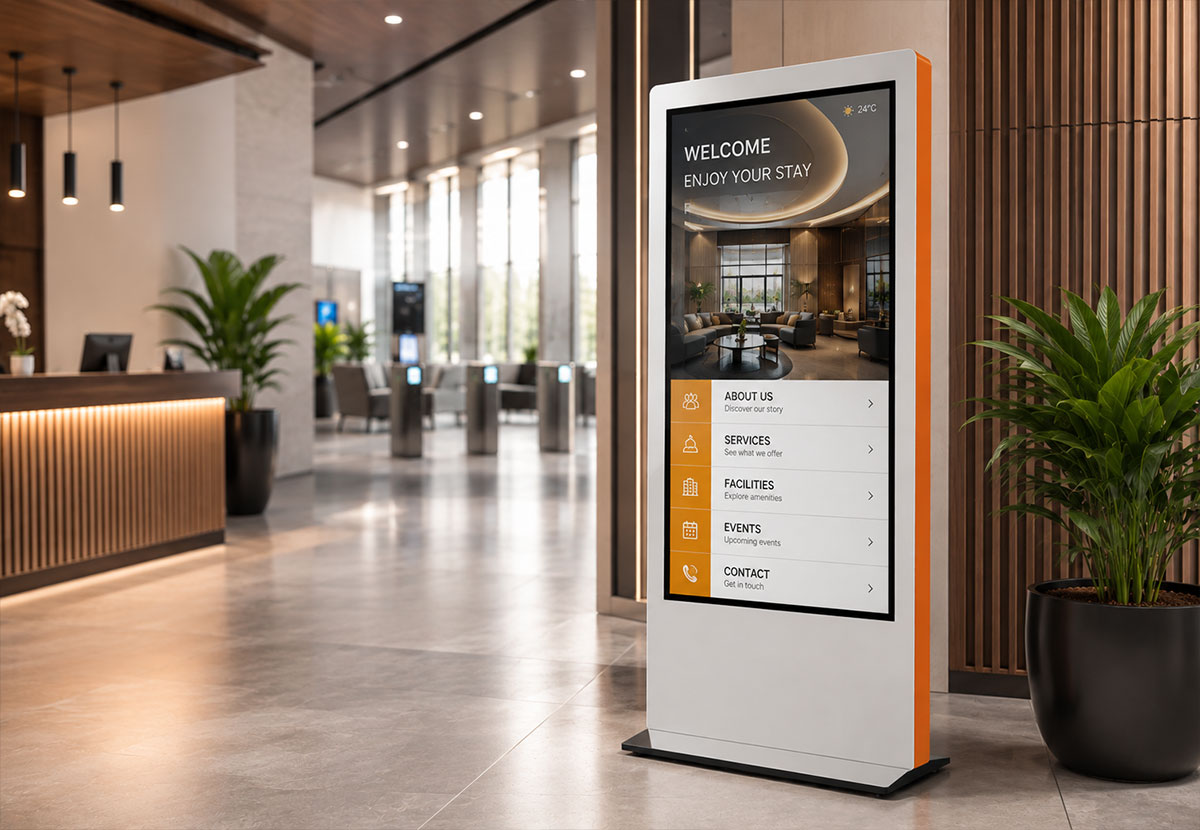
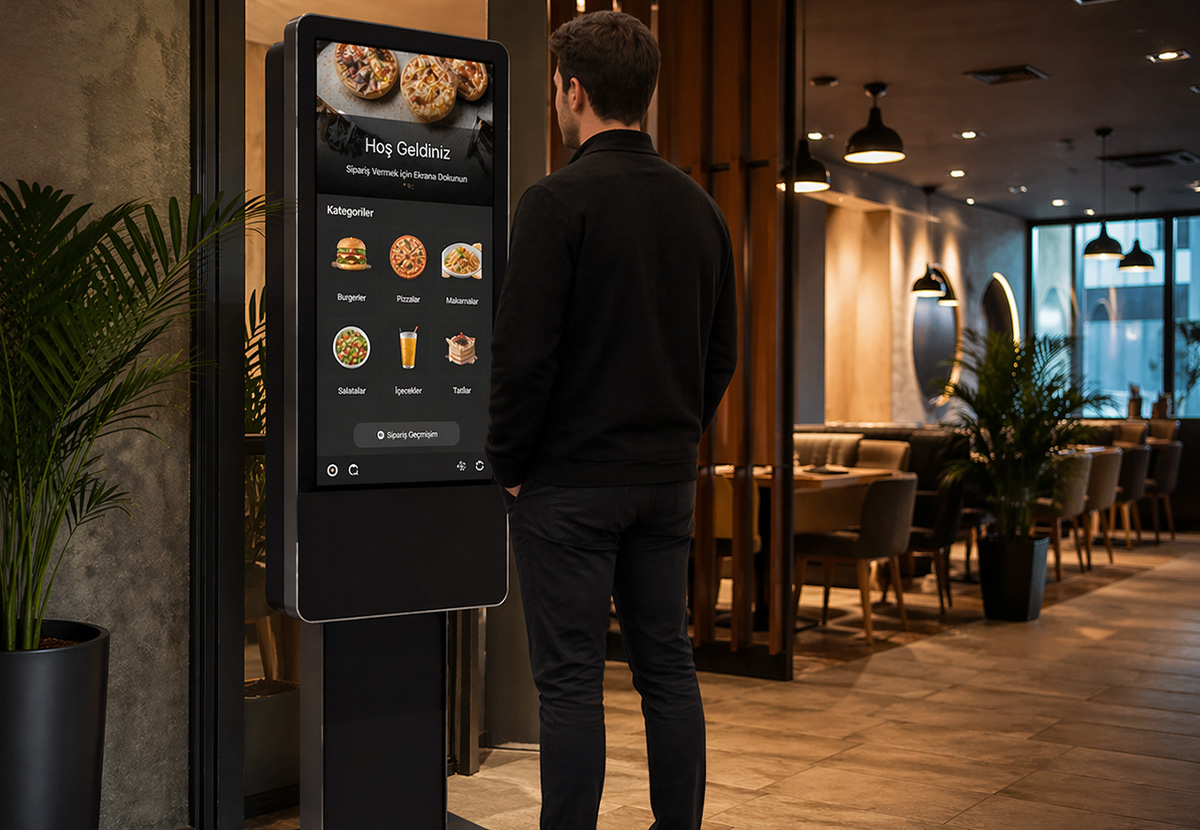
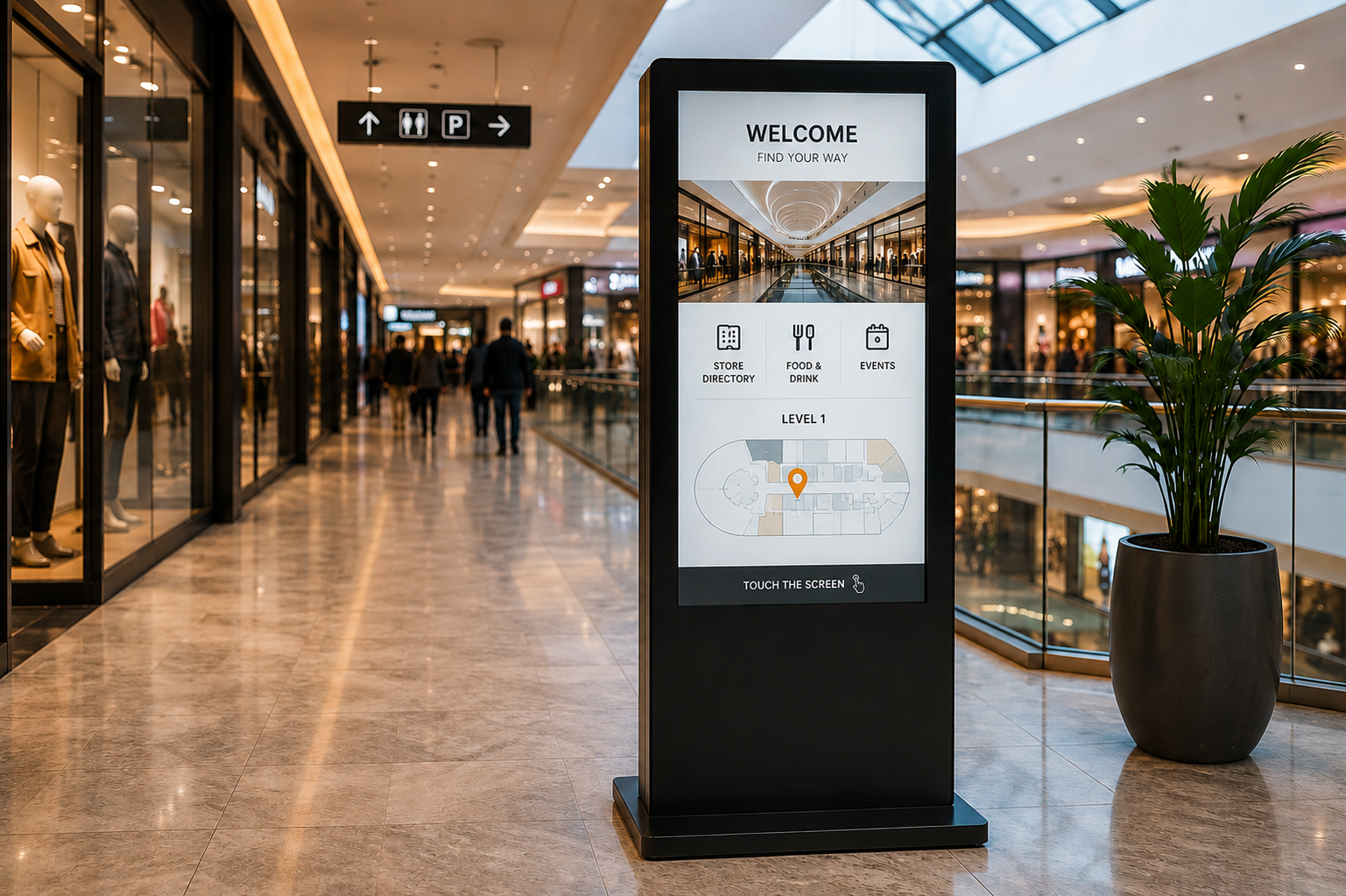
The foundation of a successful kiosk project and correct investment lies in clearly defining with exact mission the system will be positioned within the business. There are completely different usage scenarios such as information (info-kiosk), visitor registration and tracking, payment processing, quick order creation, wayfinding, or product detail review. Each scenario requires its own unique hardware components and software infrastructure.
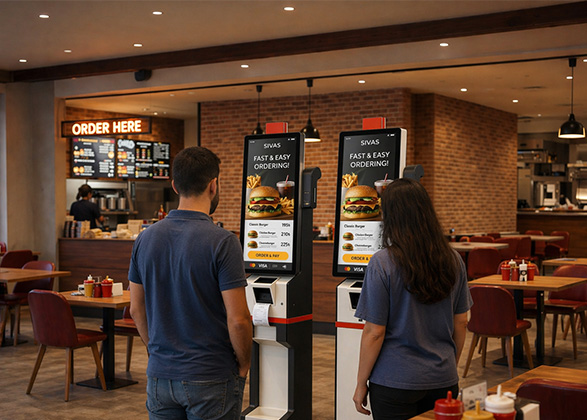
For example, an emergency or wayfinding kiosk hardware used in a high-density hospital environment cannot have the same features as a self-service ordering kiosk in a busy restaurant chain. Clarifying the usage scenario at the beginning of the project both prevents unnecessary costs in the future and increases efficiency through point-and-shoot kiosk selection.
2. Choosing the Right Kiosk Model for Indoor and Outdoor Use
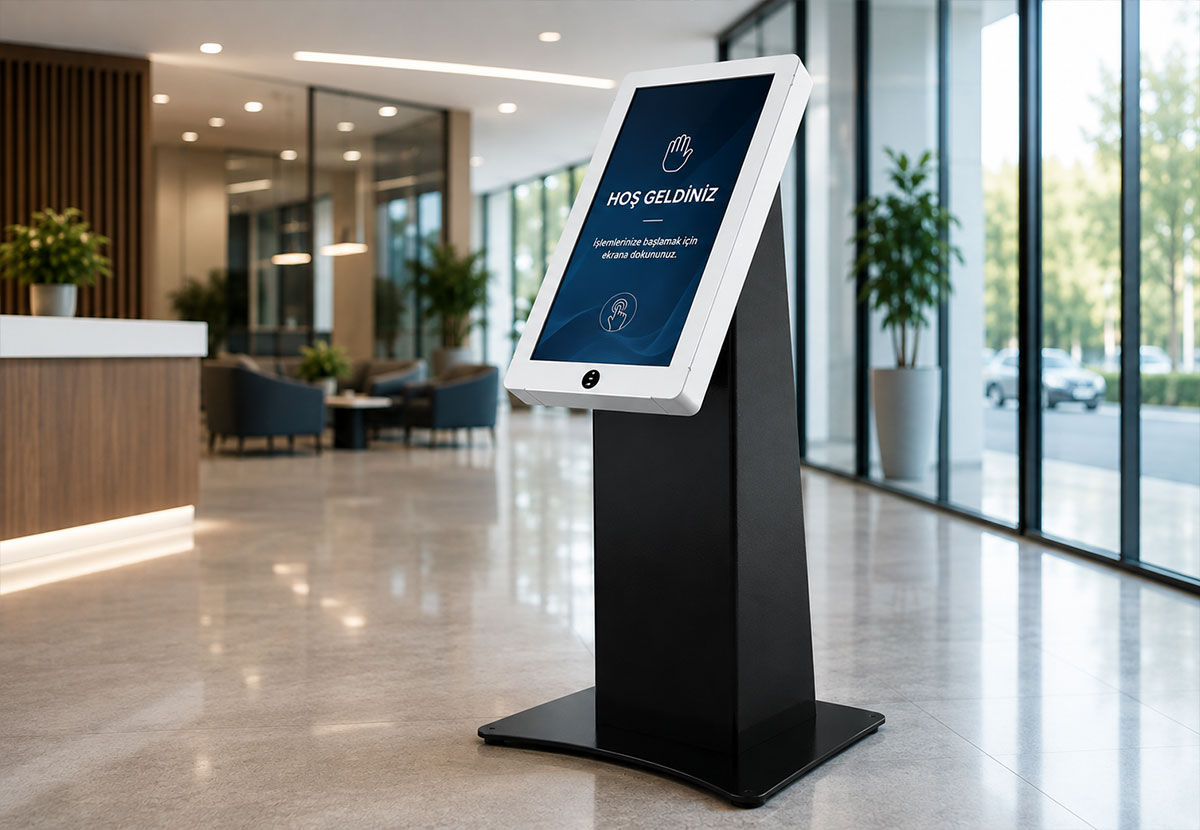
The physical environment where the kiosk systems will be operated is among the most basic environmental criteria that should never be ignored in product selection. There are vast technical differences between kiosk solutions to be used in enclosed areas (offices, inside shopping malls, stores) and models that will be exposed to harsh outdoor conditions (sunlight, rain, dust, snow, extreme heat/cold).
In outdoor kiosk projects; screens with high brightness values ensuring readability under the sun, IP-certified housing classes providing full protection against water and dust, industrial components operating stably under wide temperature fluctuations, and vandal-resistant steel body structures are essential. In indoor applications, aesthetic design and kiosk design ergonomics take precedence.
3. Flawless Kiosk Experience with Touch Screen Technology
The first and most concrete point of contact a user establishes with touch screen kiosk systems is undoubtedly the screen. Therefore, the touch sensitivity, response time (latency), and color/image quality of the preferred touch screen are the most critical elements directly determining the overall user experience.
Thanks to high-resolution screens, multi-touch support, and instant-responding panel technologies, users can complete even the most complex transactions within seconds. Especially in areas with high human traffic, the kiosk screen having a shock-resistant tempered glass structure and showing resistance to scratches guarantees the long life of the device.
4. Software Infrastructure and Kiosk Integration Capabilities
Modern and next-generation kiosk solutions do not consist merely of a stylish outer case and a screen; the true key to success is the powerful software architecture behind it. It is vital that the preferred kiosk software can work seamlessly and synchronously with the business's existing ERP, CRM, POS, payment systems, or corporate databases.
Advanced integration capabilities automate internal operational processes while reducing the error margin to zero. At the same time, thanks to software offering central cloud management capabilities, hundreds of smart kiosk devices located in different cities or branches can be updated, audited, and managed instantly from a single central panel.
5. Continuous Kiosk Performance with Industrial Durability
Industrial kiosk systems must be designed to operate under continuous or intensive use throughout the day, unlike standard personal computers. For this reason, it is mandatory that the device to be preferred and the components inside it are produced at industrial standards.
Quality motherboards, durable power supplies, powerful cooling systems, and long-lasting kiosk hardware components minimize potential failure risks, lower maintenance costs, and allow the system to operate uninterrupted 24/7. Especially for airports, hospitals, or hotels providing uninterrupted service, durability directly affects the return on investment speed.
6. Accessibility and Ergonomic Kiosk Design Standards
A successful kiosk project should stand out not only with its technological hardware, but also with its inclusive and ergonomic structure appealing to users from every profile. Devices that do not comply with universal design principles can cause users to abandon the process.
The height of the screen from the ground, touch distance, readability of font sizes in the interface, and placement of buttons must ensure that a wide user base ranging from children to the elderly or physically disadvantaged individuals can use the kiosk device comfortably. Ergonomically designed kiosks skyrocket customer satisfaction.
7. Comprehensive Technical Support and Kiosk Service Network
The commercial success of any kiosk investment is not limited solely to the purchase and installation phase. Professional technical support, periodic maintenance services, and spare parts supply speed offered after sales are the most critical security circle ensuring that the system operates smoothly for years.
Working with reliable solution partners that provide remote intervention and management support, and fast field service organization in potential failure situations prevents disruptions that may occur in business operations. Especially for multi-branch and nationwide operating businesses, working with brands having a strong kiosk technical service network is a great assurance.
8. Future-Ready Kiosk Technologies with a Modular Structure
While the technology world evolves within seconds, kiosk systems must also be able to easily keep up with changing trends and next-generation needs. Kiosk solutions with a modular structure allow new hardware modules to be integrated into the housing or software updates to be applied smoothly in subsequent periods.
Solutions supporting contactless payment infrastructures, next-generation QR code integrations, and artificial intelligence-supported kiosk software tools make businesses' digital transformation processes sustainable in the future as well. The right kiosk choice does not only close today's operational gaps; it builds a permanent technology infrastructure carrying the brand's future growth and vision goals.