Türkçe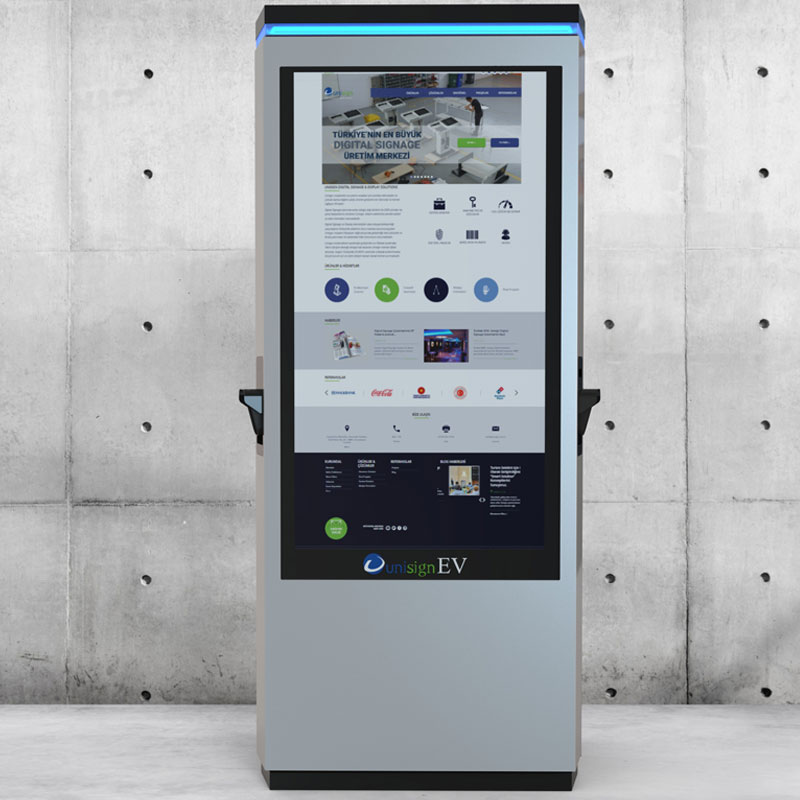
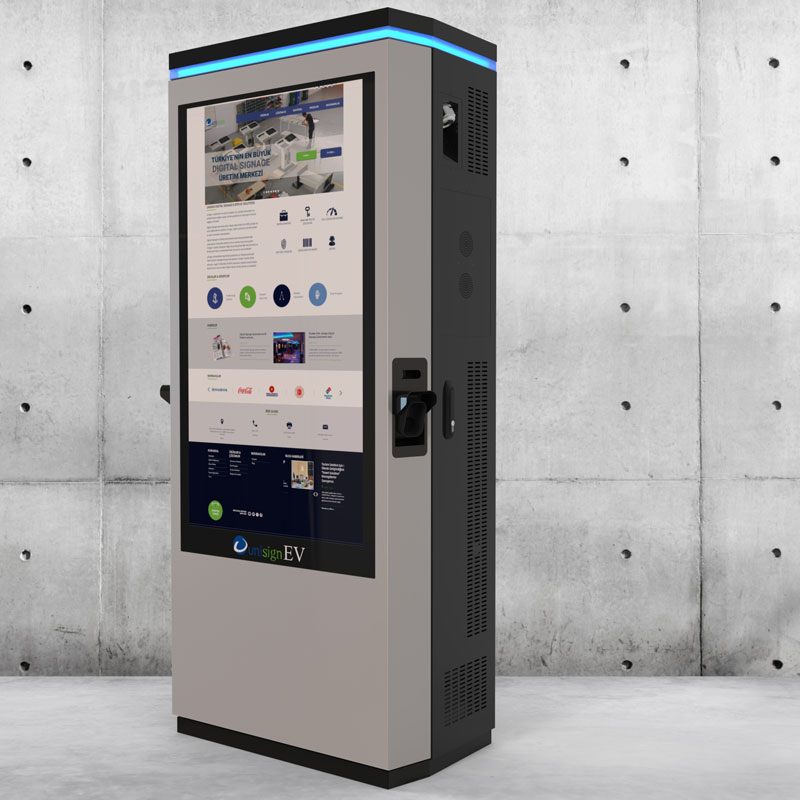
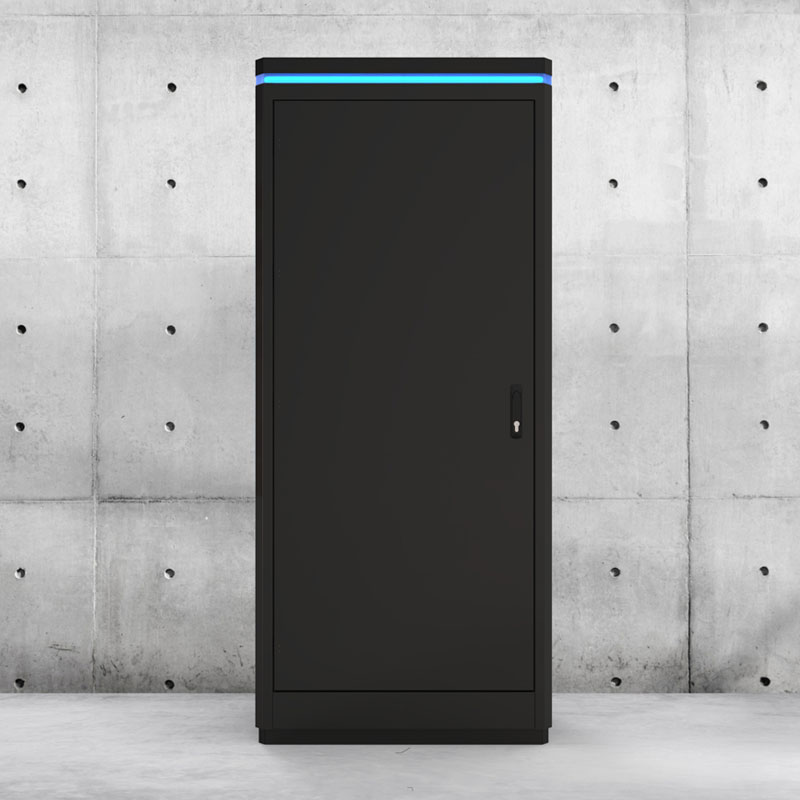
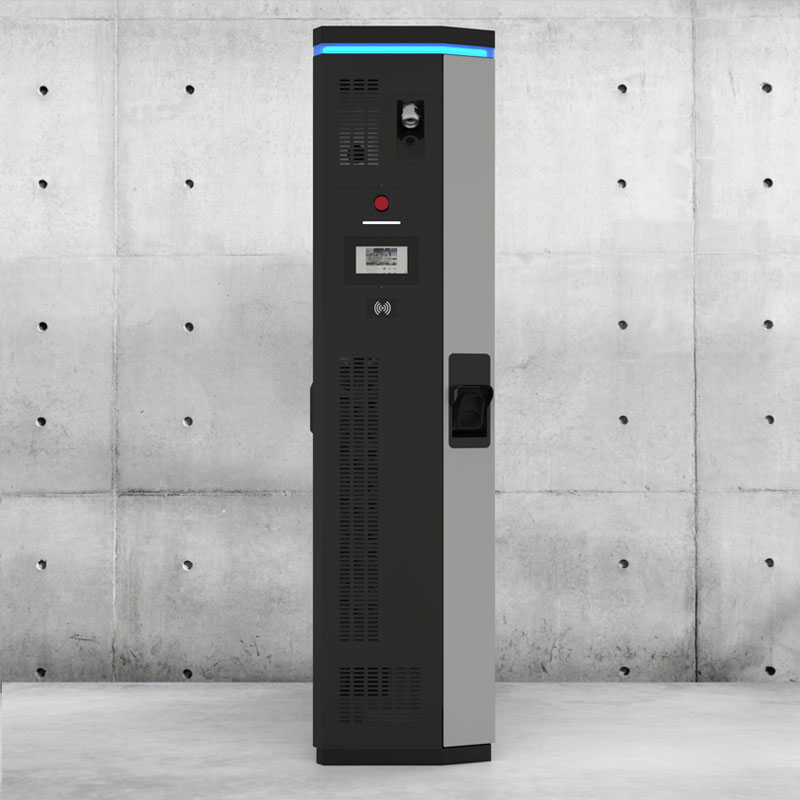
DC EV Model 55″ Outdoor Totem
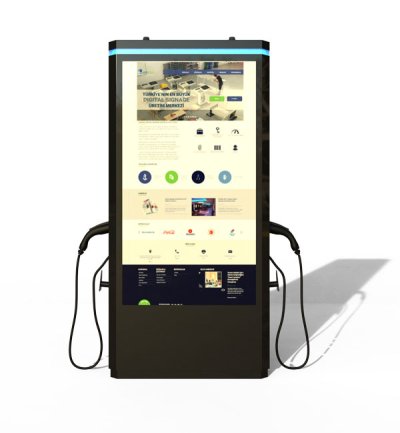
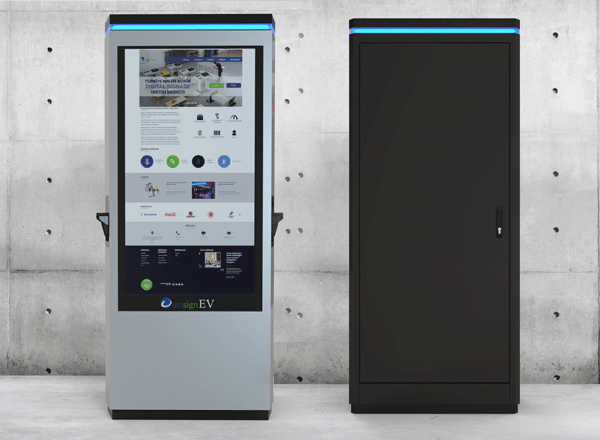
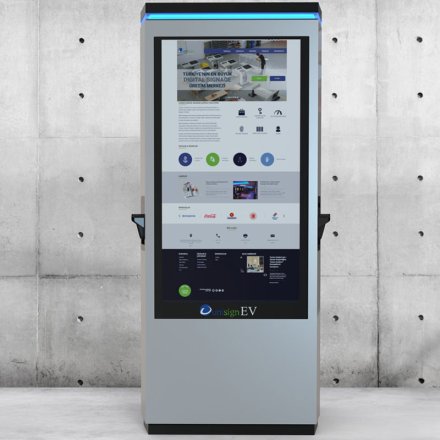
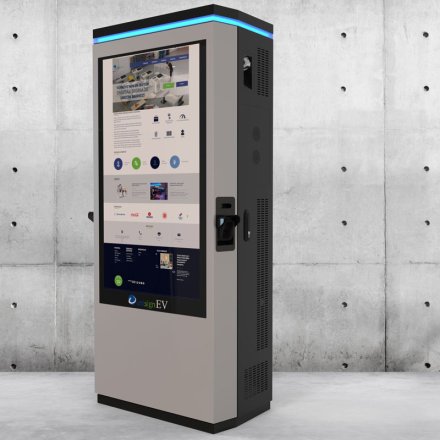
The Unisign VDCS550XA DC Model EV Charger Kiosk is a next-generation electric vehicle charging solution that seamlessly integrates fast DC charging technology with digital display capabilities. Featuring a 55-inch Full HD (1920×1080) screen and 2500 nits brightness, it delivers crystal-clear visibility even under direct sunlight, making it perfect for outdoor environments.
For a digital totem, consider floor space and visitor flow as well as screen visibility. Plan placement without obstructing routes, access to power and the content source. Select indoor or outdoor use according to the model’s stated operating conditions.





With dimensions of 1209.6(W) × 680.4(H) mm, the VDCS550XA offers a robust and elegant design engineered for reliability and long-term outdoor use. Its DC charging system provides significantly faster charging speeds compared to traditional AC chargers, making it ideal for high-traffic public areas, service stations, and commercial EV hubs.
The built-in digital display transforms the charger into a dynamic advertising and information platform, allowing operators to promote content or display useful information while vehicles are charging.
Frequently asked questions
How should I plan the digital totem’s position?
Identify the viewing direction, viewing distance and available circulation space. Check enclosure dimensions, power access and maintenance clearance. Confirm the model’s suitability separately for outdoor installation. Start with the content and viewing distance. Information pages with detailed text and advertising layouts with large images have different display needs. Compare screen size, resolution, brightness and orientation together. Inputs should suit the existing content source, while the stated operating conditions should suit the installation location. Reflections from nearby lighting and access for maintenance also matter. Check the specification against the exact screen size that will be ordered.
What information is needed for a price quotation?
Share the model, quantity and installation location. Specify mounting, content playback or management software and any accessories separately so the hardware and service scope can be compared for your requirements. Consider the available installation space as well as the screen diagonal. A quotation request can include the intended task, daily operating hours, indoor or outdoor location and delivery destination. For multiple sites, list quantities and differing requirements separately so that model options can be compared. Identify any required connection or function that is not shown in the specification. This helps define a comparable equipment proposal rather than a screen price without the installation context.
How can I check whether screen content will be readable?
Review sample content at its intended display size. Check small text, prices and logos from the furthest viewing position, and match the layout to the screen aspect ratio. Brightness alone does not determine readability: ambient light, reflections, contrast and text size also matter. Share sample content and the viewing distance before choosing a model.
Which dimensions matter for mounting and cable planning?
Check the display dimensions, weight and any mounting pattern listed in the specification. The bracket load capacity must suit both the equipment and the mounting surface. Allow access to power and video cables, ventilation openings and maintenance points. Before installation, confirm that the chosen model supports the intended landscape or portrait orientation.
How should an order for several displays be planned?
List the screen size, ambient light and content source at each location. If the same model will be used across sites, check that mounting orientation, connections and operating conditions are suitable everywhere. For central content updates, identify the existing software and network. Compare quotations with hardware, media players, software licences and mounting listed separately.